Introduction
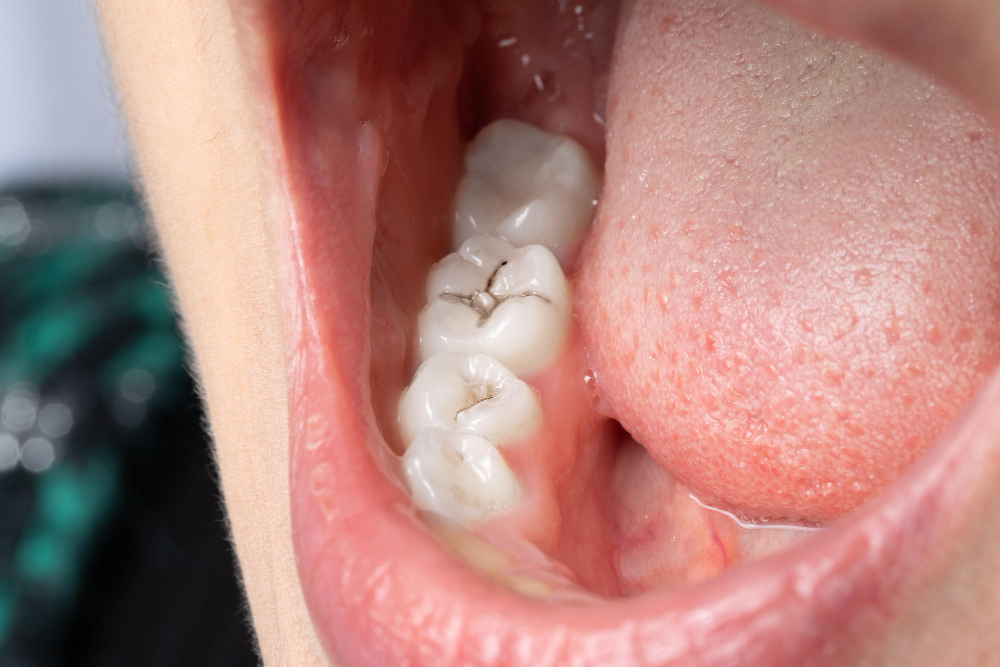
Dental caries, also known as tooth decay or cavities, are a common dental problem. They affect people of all ages. In fact, the World Health Organization (WHO) reports that dental caries are one of the most widespread chronic diseases worldwide. Early detection and proper care can help prevent serious damage. Dental caries can cause pain, infection, and even tooth loss if left untreated. Understanding the causes, symptoms, and prevention of dental caries is important for everyone.
Causes of Dental Caries
Dental caries develop when bacteria in the mouth break down sugars from food and drinks. This process produces acids that attack the tooth enamel. Over time, these acids create holes or cavities in the teeth. Several factors can increase the risk of dental caries. For example, poor oral hygiene, frequent snacking, and sugary drinks all play a role. Additionally, dry mouth and certain medical conditions can make teeth more vulnerable.
Symptoms of Dental Caries
At first, dental caries may not cause any symptoms. However, as the cavity grows, you may notice changes. Early treatment can prevent pain and further damage. Look for these common signs and symptoms:
Diagnosis of Dental Caries
Dentists use several methods to diagnose dental caries. First, they examine your teeth and gums during a dental checkup. They may use a small mirror and probe to look for soft spots or holes. In addition, dental X-rays can help find cavities that are not visible to the eye. Sometimes, special dyes or laser devices help detect early decay. Early diagnosis is key to preventing serious problems.
Treatment Options for Dental Caries
Treatment for dental caries depends on how severe the decay is. Your dentist will recommend the best option for you. Here are common treatments:
Prompt treatment can save your tooth and prevent infection.
Prevention of Dental Caries
Preventing dental caries is easier than treating them. Good oral hygiene and healthy habits make a big difference. For example, brushing and flossing every day removes harmful bacteria. Regular dental visits help catch problems early. Here are some practical tips to prevent dental caries:
Lifestyle Guidance for Healthy Teeth
Daily habits play a big role in keeping your teeth healthy. Even small changes can help prevent dental caries. Consider these simple steps:
With these habits, you can lower your risk of tooth decay and enjoy a brighter smile.
Conclusion
Dental caries are common but preventable. Early care and healthy habits can protect your teeth for life. Consult Dr. Tanuj Verma for personalized advice on dental caries prevention and treatment.