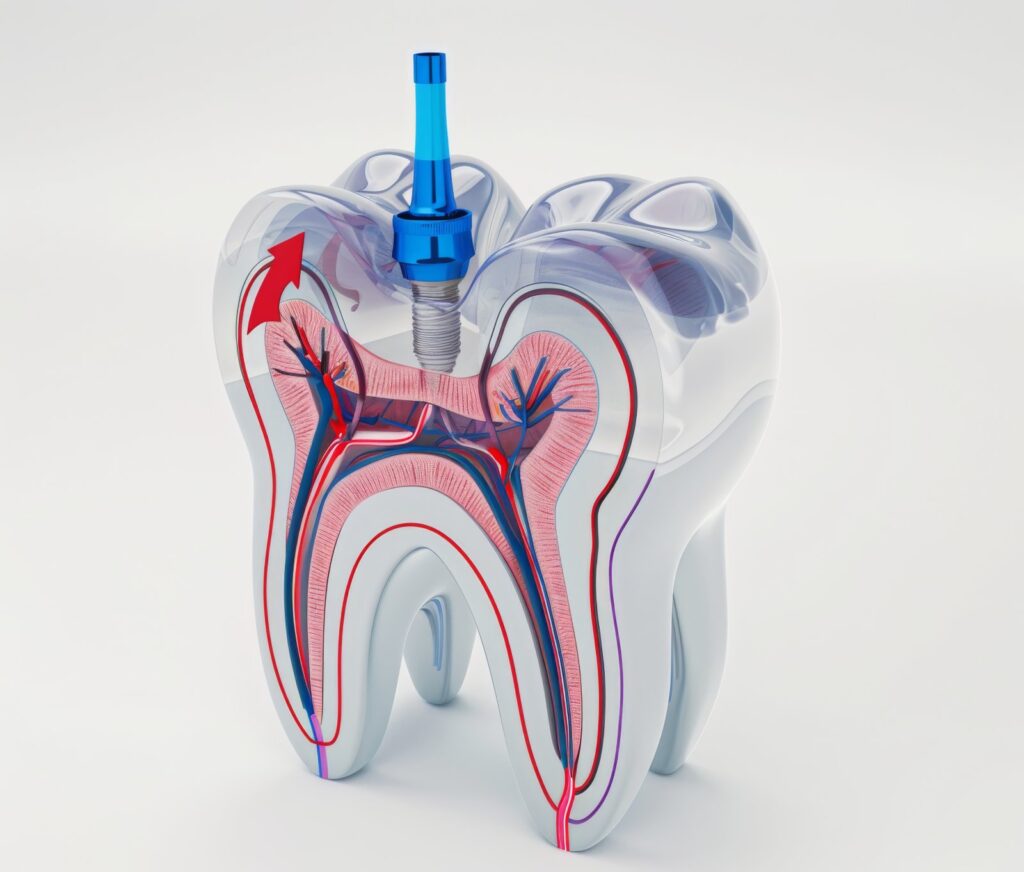
What is Root Canal Treatment (RCT)?
Root Canal Treatment, also called RCT, is a dental procedure that saves a tooth when it is badly infected or damaged. During this treatment, the dentist removes the infected pulp inside the tooth. Then, the space is cleaned and filled to prevent further problems. As a result, Root Canal Treatment can help relieve dental pain and keep your natural tooth in place.
Symptoms Indicating You May Need an RCT
Sometimes, tooth pain can be a sign that you need a root canal. However, not all pain means you need this treatment. Look for these common signs:
But, some people may not have any symptoms. Therefore, regular dental check-ups are important.
Causes Leading to RCT
There are several reasons why a tooth may need Root Canal Treatment. Often, these causes lead to infection or damage inside the tooth. Common causes include:
Because these issues can harm the tooth’s nerve, RCT may be the best solution.
How Dentists Diagnose the Need for RCT
First, your dentist will ask about your symptoms and examine your mouth. Next, they may tap on the tooth or check for swelling. Dentists often use X-rays to see the inside of the tooth and the surrounding bone. This helps them find infection or damage. Sometimes, they may test how the tooth responds to hot or cold. With these steps, your dentist can decide if a root canal procedure is needed.
Step-by-Step RCT Procedure
Many people feel nervous about root canal procedures. However, knowing the steps can help you feel more at ease. Here is what usually happens:
Most root canal treatments are done in one or two visits. As a result, you can return to normal activities soon after.
Benefits of RCT
Root Canal Treatment offers many benefits. For example, it can:
Aftercare and Recovery Tips
After your root canal, proper care helps your tooth heal. Here are some helpful RCT recovery tips:
With good care, your treated tooth can last as long as your other teeth.
Prevention: How to Avoid Needing an RCT
While root canal treatment is effective, it is better to prevent the need for it. To protect your teeth, try these steps:
Summary
Root Canal Treatment is a safe and effective way to save an infected or damaged tooth while relieving pain and restoring normal function. Early diagnosis and timely treatment can prevent further complications and help preserve your natural smile.
Don’t let tooth pain affect your daily life. Consult Dr. Tanuj Verma for expert Root Canal Treatment and personalized dental care to restore your smile with confidence.