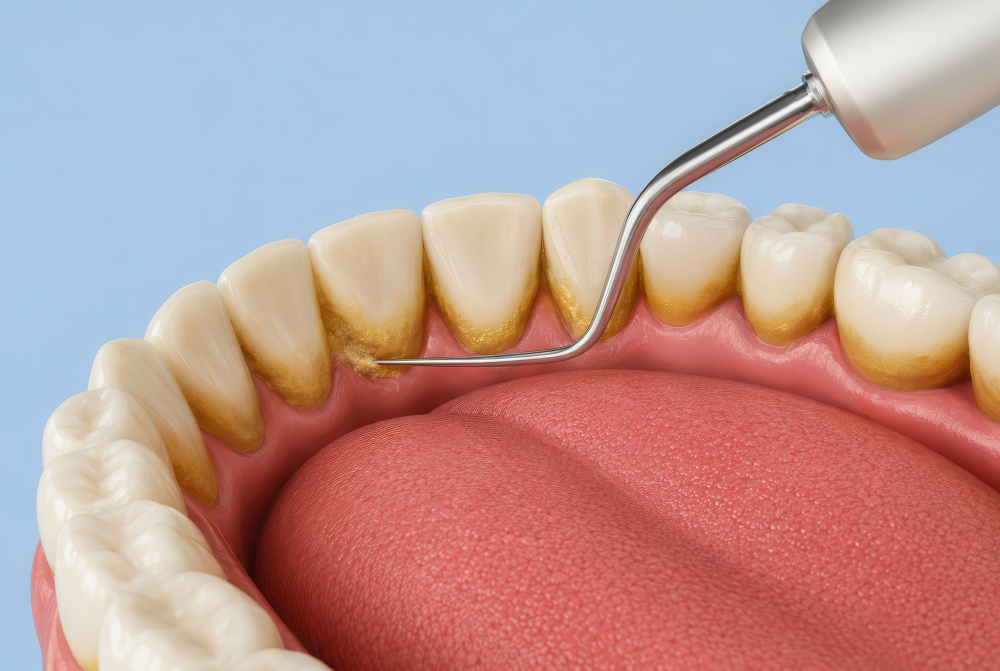
Dental scaling is a key part of keeping your mouth healthy. This professional teeth cleaning removes plaque and tartar that brushing alone cannot reach. Because scaling helps prevent gum disease and tooth decay, it is important for everyone. In this blog, you will learn what scaling is, why it matters, and how it can help you keep your smile bright.
What is Dental Scaling?
Dental scaling is a deep cleaning procedure done by a dentist or dental hygienist. During scaling, special tools remove plaque and tartar from your teeth. Plaque is a sticky film of bacteria. Tartar is hardened plaque that sticks to teeth and gums. Since tartar cannot be removed by brushing, scaling is needed to clean it away. Often, scaling is done along the gum line and between teeth for best results.
Why is Scaling Important for Oral Health?
Scaling is important because it keeps your teeth and gums healthy. Over time, plaque and tartar can cause gum disease. If left untreated, gum disease may lead to tooth loss. In addition, scaling helps prevent bad breath and cavities. For people with early signs of gum problems, deep cleaning for gums can stop the disease from getting worse. According to the CDC, regular dental cleanings lower the risk of gum disease and other oral health issues.
Signs You May Need Scaling
Sometimes, you may not notice problems right away. However, there are signs that you might need scaling:
If you notice any of these signs, it is wise to see your dentist soon.
The Scaling Procedure: What to Expect
First, your dentist will check your teeth and gums. Next, they will use special tools to remove plaque and tartar from your teeth. Sometimes, an ultrasonic scaler uses gentle vibrations to break up hard deposits. After scaling, your teeth may be polished to remove stains. The whole process usually takes less than an hour. For deep cleaning, your dentist may numb your gums to keep you comfortable. Most people feel only mild discomfort during the procedure.
Benefits of Scaling and Deep Cleaning
Scaling offers many benefits for your oral health. For example, it can:
Because scaling targets areas brushing cannot reach, it is a key step in keeping your mouth healthy.
Risks and Aftercare Tips
Scaling is safe for most people. However, you may feel some soreness or sensitivity after the procedure. This usually goes away in a few days. Rarely, gums may bleed or feel swollen. To help your mouth heal, follow these aftercare tips:
With proper care, your gums will heal quickly and feel better soon.
Prevention: How to Maintain Clean Teeth After Scaling
After scaling, it is important to keep your teeth clean. Here are some simple steps:
By following these tips, you can help prevent plaque and tartar from building up again.
In summary, dental scaling is a simple but important way to protect your teeth and gums. If you have questions or notice signs of gum problems, consult Dr. Tanuj Verma for personalized advice on dental scaling and oral health.